
Shatavari Benefits, Daily Use and Safety: An Ayurvedic Guide (2026)
Shatavari has a long history in Ayurveda, particularly in women's wellness. Discover what it is traditionally used for, what human studies actually show, whether you can take it daily, and when professional advice matters.
Shatavari is one of Ayurveda's well-known herbs. Traditionally called a Rasayana, it is associated with nourishment and women's reproductive wellbeing. Today, scientists are examining its constituents and potential applications, but many popular claims go beyond what has been demonstrated in humans.
🌿 What is Shatavari?
Shatavari is the name used for the tuberous roots of Asparagus racemosus, a plant found in South Asia. Its roots are used in powders, traditional preparations and concentrated extracts. It is different from the common vegetable asparagus.
In Ayurvedic descriptions, Shatavari is considered a Rasayana (rejuvenating preparation), with Madhura (sweet) and Tikta (bitter) tastes and Sheeta (cooling) qualities. It is traditionally discussed in relation to Vata and Pitta balance. These are Ayurvedic classifications, not measurements established by modern clinical testing.
Researchers have identified naturally occurring constituents including steroidal saponins (often called shatavarins), polysaccharides and flavonoids. The presence of these compounds alone does not establish a health benefit in humans.
🌸 What are the benefits of Shatavari?
Its traditional uses are broad, while human evidence is more specific. Here is a balanced look at both.
Women's wellness
Ayurveda has long used Shatavari in women's health routines. Claims that it reliably “balances hormones”, treats PCOS or improves fertility are not established by robust human evidence.
Menopause research
Small, short-term trials have reported improvements in certain menopausal symptom scores with specific Shatavari extracts. Larger independent trials are needed.
Postpartum lactation
Traditionally used after childbirth. A 2025 randomized trial found higher expressed milk volume at 72 hours with a particular extract, but this does not prove long-term effectiveness or universal safety.
Digestive comfort
Traditional Ayurvedic use describes soothing, cooling qualities. Strong clinical evidence for treating digestive problems is lacking.
Vitality and nourishment
Shatavari has a traditional Rasayana role. Claims of reliably improving stamina, fatigue or energy in healthy adults require better clinical evidence.
Antioxidants and immunity
Laboratory work explores antioxidant and immune-related activity. These results cannot be assumed to translate into demonstrated immune benefits in people.
For more context, explore Nveda's guide to Ayurvedic herbs for women's wellness.
🥛 Can I take Shatavari daily?
Shatavari is traditionally used in daily routines, but that does not mean everyday supplementation is proven safe for everyone. Published clinical studies have generally been relatively small and short. There is no universally validated daily dose that applies across powders, extracts, capsules and herbal combinations.
Common forms
- Root powder (churna): traditionally mixed with water or milk; quantity should follow the specific product label or a qualified practitioner's advice.
- Capsules or tablets: extract concentration and serving sizes differ. Do not assume that one capsule from one brand equals another.
- Kalpa or granules: may contain sugar and other ingredients, so check the complete formulation, particularly if monitoring sugar intake.
Practical daily-use precautions
- Decide what you are trying to support, rather than taking the herb for a vague hormone-balancing promise.
- Check the ingredient list, serving size, caution statements and expiry date.
- Ask a clinician before use if you take regular medicines, have a medical condition, or are pregnant or breastfeeding.
- Avoid using multiple overlapping herbal products without reviewing their combined ingredients.
- Stop use and seek advice if you experience an unwanted reaction. Reassess ongoing use rather than continuing indefinitely.
Milk is a traditional carrier in some Ayurvedic practices, not a medical requirement. There is also no established universal “6–8 week” rule for when everyone should expect results. Read how to take Ayurvedic supplements safely.
🌼 Is Shatavari good for girls or young women?
Traditional references to women's wellness do not establish that Shatavari is suitable for all ages. For children and teenagers, routine self-supplementation is not recommended without clinical advice, because appropriate dosing and safety data are limited.
Young adult women should also avoid treating menstrual irregularity, unwanted hair growth, acne or fatigue as automatically reflecting a need for Shatavari. These symptoms may require assessment for PCOS, thyroid conditions, nutritional deficiencies or other causes. Adequate food, sleep, exercise and medical review where appropriate remain the starting point.
⚖️ Shatavari vs Ashwagandha: Which is better?
Neither herb is universally better. They have different histories of traditional use, and the available human studies investigate different outcomes.
| Feature | Shatavari | Ashwagandha |
|---|---|---|
| Botanical name | Asparagus racemosus | Withania somnifera |
| Ayurvedic description | Cooling, nourishing Rasayana | Traditionally strengthening and grounding |
| Traditional focus | Women's wellbeing, nourishment and postpartum routines | Stress resilience, strength and sleep |
| Human research | Early evidence for select menopausal symptoms and postpartum lactation | Some preparations show short-term benefits for stress and insomnia |
| Important caution | Insufficient long-term safety data; discuss pregnancy, lactation and hormone-sensitive conditions | Avoid in pregnancy and breastfeeding; discuss thyroid, autoimmune or liver issues and medication interactions |
Some Ayurvedic formulations combine the herbs, but combining them is not necessarily safer or more effective. If considering a multi-herb product, evaluate the complete ingredient list and individual circumstances with a qualified healthcare professional.
🛡 Who should avoid Shatavari or check with a doctor first?
- Pregnant or planning pregnancy: pregnancy safety data are insufficient.
- Breastfeeding: short-term lactation studies are promising, but evidence about longer-term infant and maternal safety remains limited.
- Hormone-sensitive conditions: discuss use with your treating clinician. Laboratory evidence of estrogen-like activity does not prove a particular effect in humans, but it justifies caution.
- Prescription medicines: review possible interactions with a pharmacist or doctor. Claims of specific interactions with blood-pressure drugs, diabetes medications or diuretics are not well established clinically, so caution is precautionary rather than proof of an interaction.
- Existing illnesses or upcoming surgery: disclose all herbal supplements to your healthcare team.
Some trial participants have reported mild digestive symptoms such as nausea or loose stools. Severe rash, swelling or breathing difficulty requires urgent medical attention.
This article provides general education, not individualized medical advice or a treatment recommendation.
✅ How to choose a quality Shatavari product
- Confirm the precise botanical ingredient, plant part and preparation type.
- Check the quantity per serving and, where provided, extract standardization details.
- Look for the applicable manufacturing and licensing information, batch number, expiry date and full manufacturer details.
- Check other herbal ingredients, added sugar, excipients and allergen information.
- Prefer products with accessible quality-control information and clear customer support; a license or certification is not evidence that a particular benefit has been clinically proven.
For guidance on choosing an appropriate supplement, Nveda offers a free doctor consultation.
🌱 Explore relevant Nveda Ayurvedic products
These are related formulations to explore, not direct substitutes for medical treatment or proof of Shatavari's clinical effects. Check current labels and suitability before buying.
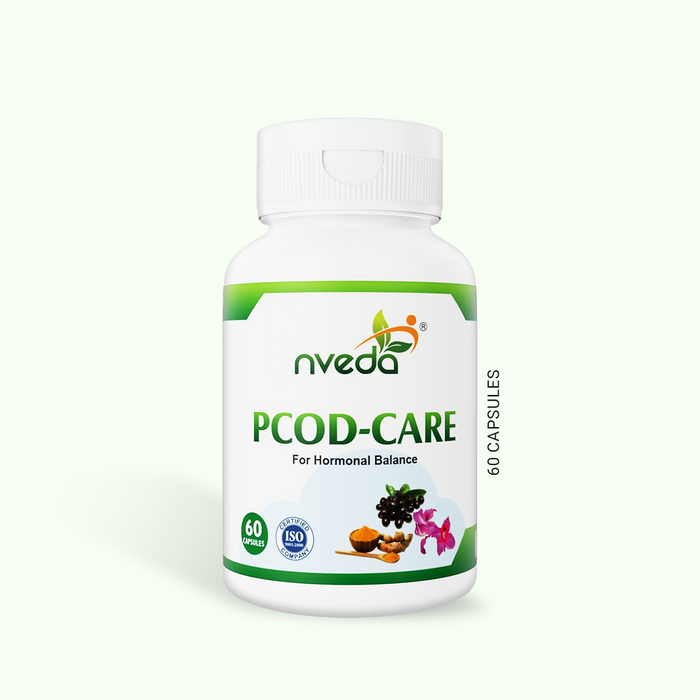
Nveda PCOD Care – 60 Capsules
An Ayurvedic multi-herb women's wellness formulation. Do not use as a treatment for PCOS or menstrual disorders without professional advice. Verify the current label for the full herb list and amounts.
Explore PCOD Care →Nveda Natural Ovulation – 60 Capsules
A traditional multi-herb formulation featuring Shatavari, Shivalingi and Putranjiva, positioned for women’s reproductive wellness. It is not proven to induce ovulation or treat infertility. Consult a fertility clinician before use when trying to conceive, during fertility treatment or if pregnancy is possible.
Explore Natural Ovulation →Products shown for educational relevance. Ingredient composition, pack design, prices and availability may change; consult the current product pages.
❓ Frequently asked questions
What are the main benefits of Shatavari?
Shatavari is traditionally used for women's wellness and nourishment. Small human trials suggest possible benefits for some menopausal symptoms and early postpartum milk production, but stronger evidence is needed. Other popular claims remain mostly traditional or preclinical.
Can I take Shatavari every day?
Daily use exists in Ayurvedic tradition, but a universal safe daily amount and long-term safety have not been established. Follow the specific product instructions and seek professional guidance if you have a health condition or use medication.
What is the correct Shatavari dosage?
There is no single evidence-based dosage that covers root powders, extracts and multi-herb products. Study doses are formulation-specific and are not general recommendations. Use the product label and qualified clinician guidance.
Is Shatavari suitable for teenage girls?
There is insufficient age-specific evidence to recommend routine supplementation for teenagers. Seek advice from a pediatrician or other qualified clinician before use.
Which is better, Shatavari or Ashwagandha?
Shatavari has traditional associations with women's nourishment; Ashwagandha has more human research regarding short-term stress and sleep outcomes. The appropriate choice depends on health goals, safety factors and medications.
Who should avoid Shatavari?
People with known allergies should avoid it. Anyone pregnant, breastfeeding, managing a hormone-sensitive condition or taking regular medication should seek individualized clinical guidance before starting.
Which hormone does Shatavari increase?
No specific hormone is reliably shown to increase across all people taking Shatavari. Some small studies have measured changes in hormone-related biomarkers under particular conditions, but the findings do not justify a general hormone-boosting claim.
Does Shatavari cure PCOS or infertility?
No. There is insufficient high-quality clinical evidence that Shatavari cures PCOS or infertility. Persistent irregular periods, fertility concerns and related symptoms should be evaluated medically.
- NIH LactMed: Wild Asparagus (Shatavari), updated July 2026
- Randomized trial of Shatavari root extract for early postpartum lactation (2025)
- Shatavari and Ashwagandha extracts in menopausal symptoms: randomized trial (2025)
- Placebo-controlled trial of Shatavari for menopausal symptoms (2026)
- NIH NCCIH: Ashwagandha usefulness and safety
Editorial note: Updated October 2026. Educational content; not a substitute for diagnosis, treatment or individual medical advice.