Quality products with timely delivery
No review provided.
Free Shipping on all Prepaid Orders
Free Expert Consultation
Free Shipping on all Prepaid Orders
Free Expert Consultation
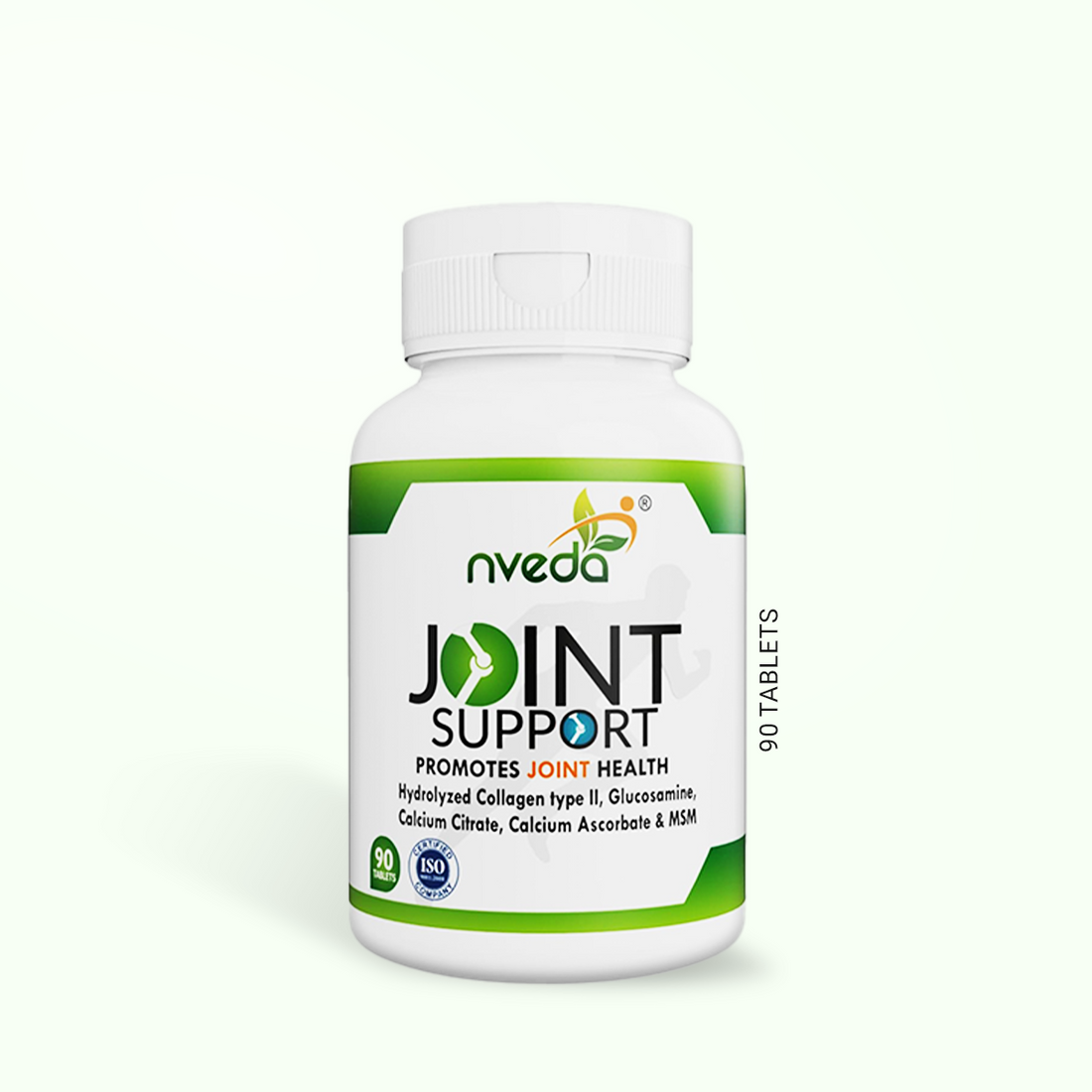
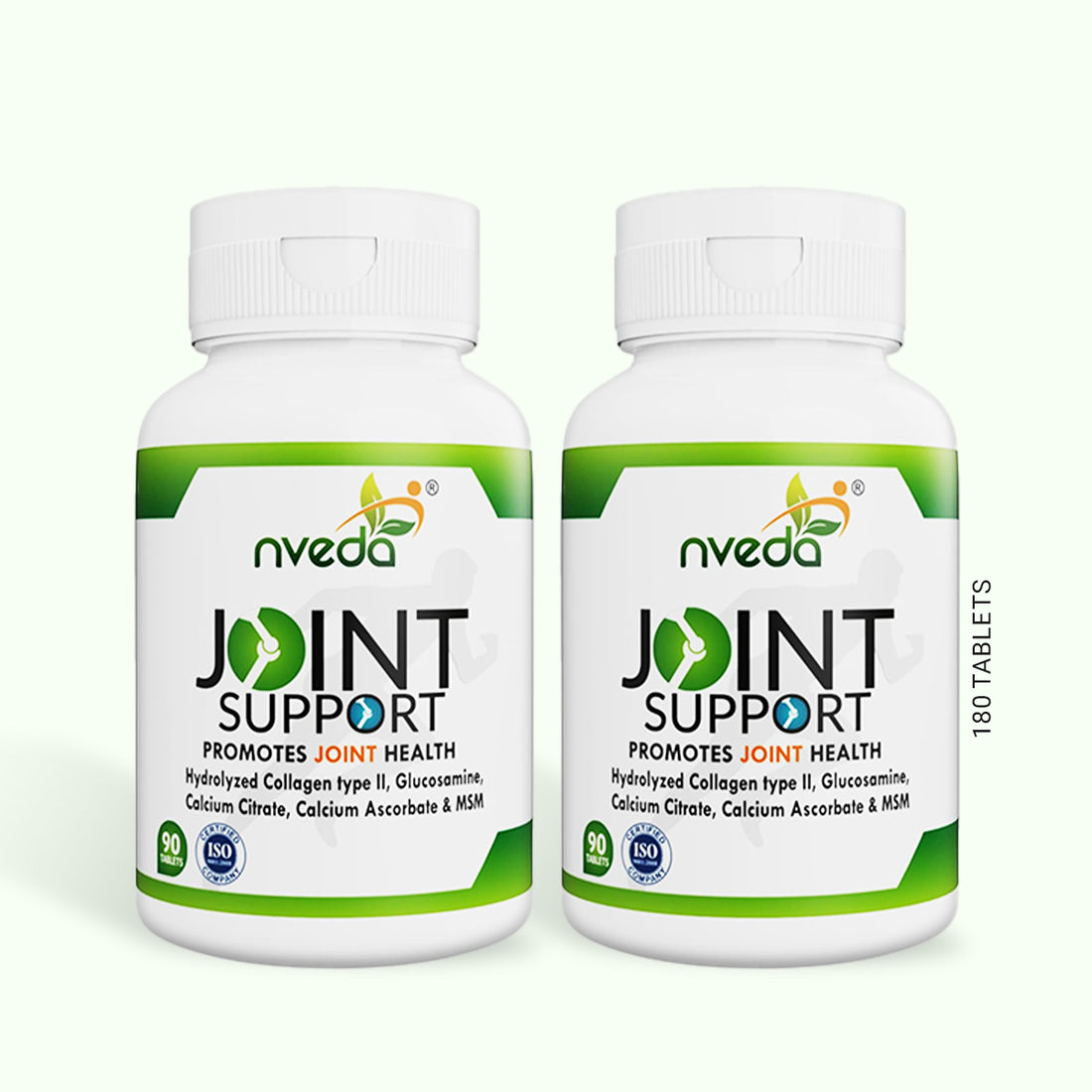
Living with joint pain doesn't mean accepting limitations. Through proper nutritional support, targeted supplementation, and mindful movement, many people maintain comfortable, active lives despite arthritis challenges. Nveda's joint support formulation combines collagen and essential nutrients to support cartilage health, flexibility, and long-term mobility.
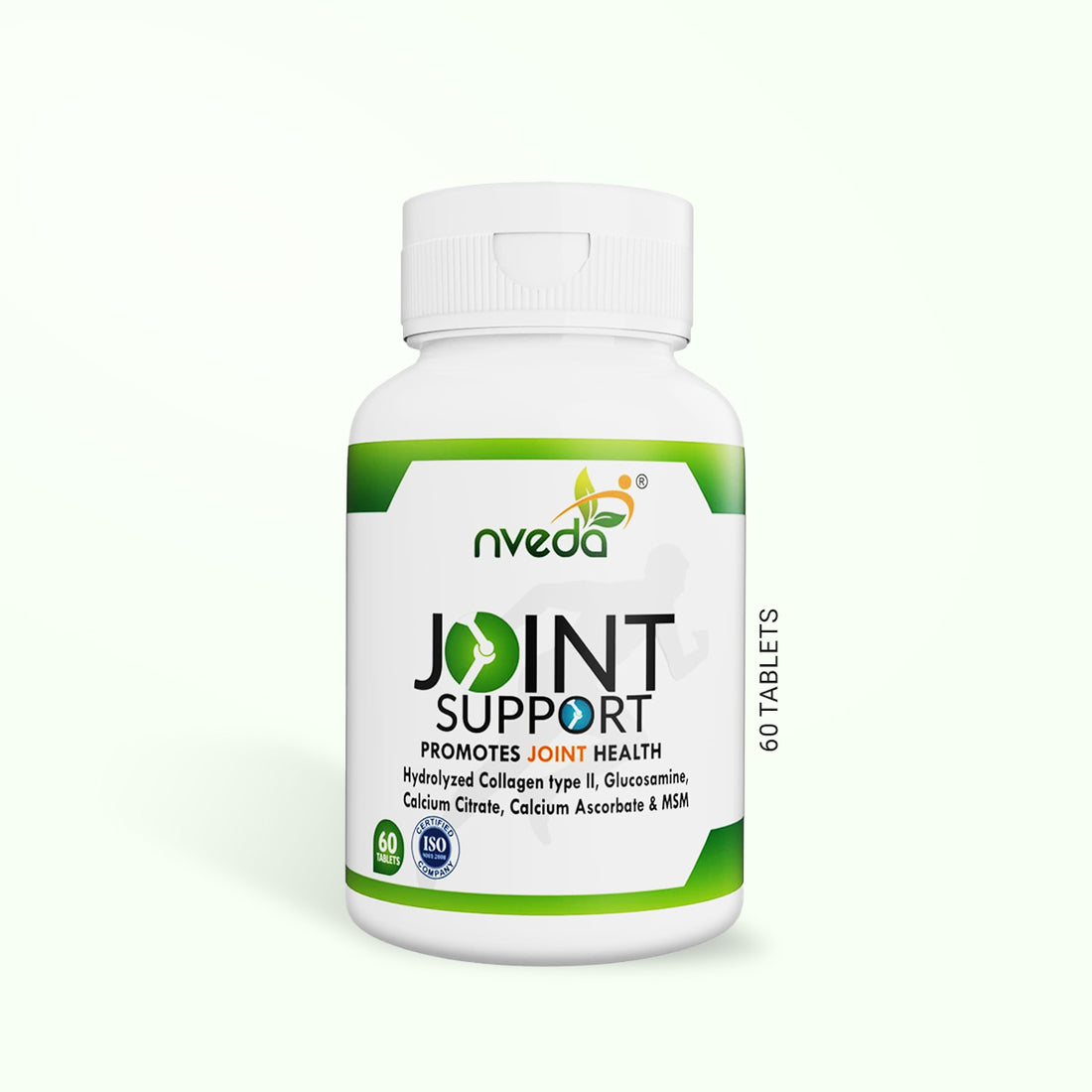
Medicine for Joint Pain & Arthritis Management Living with joint pain doesn't mean accepting limitations. Through proper nutritional support, targeted supplementation, and mindful movement, many people maintain comfortable, active lives despite arthritis challenges. Nveda's joint support formulation combines collagen and essential nutrients to support cartilage...
Living with joint pain doesn't mean accepting limitations. Through proper nutritional support, targeted supplementation, and mindful movement, many people maintain comfortable, active lives despite arthritis challenges. Nveda's joint support formulation combines collagen and essential nutrients to support cartilage health, flexibility, and long-term mobility.
Joint pain can result from aging, gradual cartilage wear and tear, inflammation, previous injuries, autoimmune conditions, or excess body weight. Lack of movement, poor posture, and nutritional deficiencies may also contribute to stiffness and discomfort over time.
Understanding the cause helps determine the best approach. Age-related wear is different from inflammatory arthritis, which is different from injury-related pain. While the discomfort may feel similar, the underlying mechanisms vary, and so should the support strategy.
Joint problems manifest in recognizable patterns:
Morning stiffness - Joints feel tight and immobile upon waking, gradually loosening as you move throughout the day
Swelling around joints - Inflammation causes visible puffiness and makes joints feel warm to the touch
Pain during movement - Activities that were once effortless now cause discomfort, especially stairs, gripping, or reaching
Reduced flexibility - Range of motion decreases, making it harder to bend, twist, or extend joints fully
Difficulty performing daily activities - Simple tasks like opening jars, buttoning clothes, or walking become challenging
If not managed properly, symptoms may gradually progress. Early intervention preserves function better than waiting until damage is severe.
Healthy joints allow smooth movement, physical independence, and an active lifestyle. Reduced mobility can limit exercise, affect cardiovascular health, and decrease overall quality of life. Maintaining joint health supports strength, balance, and daily comfort.
Think about how much you use your joints every day by walking, typing, cooking, dressing, and driving. Every activity depends on pain-free movement. Protecting joint health isn't vanity; it's preserving your ability to live independently and engage with life fully.
Cartilage acts as a cushion between bones. Over time, natural wear and tear can reduce this cushioning, leading to stiffness, friction, and discomfort during movement. This isn't reversible in the traditional sense, but you can support your body's maintenance and repair processes.
Cartilage has a limited blood supply, making it slow to heal and regenerate. This is why proactive nutritional support matters, and you're providing building blocks your body needs to maintain what cartilage remains and protect it from further degradation.
Collagen is a key structural protein found in cartilage, ligaments, and connective tissues. Supplementing with collagen may help support cartilage integrity, flexibility, and overall joint resilience when combined with proper nutrition and movement.
Your body produces collagen naturally, but production declines with age, and that's one reason joint problems increase as we get older. Supplementing provides raw materials your body can use for maintenance and repair, potentially slowing the progression of wear.
Joint health changes gradually over time. Consistent nutritional support, including adequate protein and structural nutrients, may help maintain mobility and comfort in the long run rather than providing short-term relief.
This is a marathon, not a sprint. Quick fixes don't exist for cartilage health, but sustained nutritional support combined with appropriate movement creates the best environment for maintaining joint function over decades.
Nveda's joint support formulation is developed with professional input, focusing on structural joint nutrition and long-term mobility support. The formulation is designed to complement lifestyle and movement practices, not replace them.
By providing collagen, an essential building block of cartilage and connective tissue, the supplement supports joint structure and flexibility. Consistent use may help maintain smooth movement and everyday comfort.
Collagen supplementation works gradually. You're essentially providing construction materials for ongoing maintenance. Over weeks and months, this sustained support can make a noticeable difference in joint comfort and function.
The formulation is designed as a nutritional supplement for regular use. When taken as directed, it can be safely incorporated into a long-term joint care routine alongside other healthy habits like appropriate exercise and weight management.
Professional guidance helps you optimize joint health through comprehensive strategies. Supplementation works best as part of a complete approach that includes movement, nutrition, weight management, and sometimes other interventions.
Nveda's collagen-based joint support formulation provides essential building blocks for cartilage health and joint structure. The supplement is designed for daily use as part of a comprehensive joint care strategy.
Maximizing joint health results requires a multi-faceted approach:
Gentle stretching or mobility exercises: Daily movement prevents stiffness and maintains flexibility
Regular walking or low-impact activity: Consistent movement lubricates joints and strengthens supporting muscles
Maintaining a healthy body weight: Every extra pound adds 4 pounds of pressure on the knee joints
Balanced diet rich in protein: Adequate protein provides raw materials for tissue repair
Staying well hydrated: Water is essential for joint lubrication and cartilage health
Consistency enhances overall joint support. These practices work synergistically; like exercise without nutrition is less effective, nutrition without movement doesn't optimize joint function.
Movement improves circulation to joint tissues and helps maintain flexibility. Sedentary habits may increase stiffness, while controlled, regular activity supports long-term mobility.
The paradox of joint pain is that movement often hurts, making you want to avoid it, but avoiding movement makes joints stiffer and weaker. The key is finding appropriate, gentle movement that maintains function without causing damage.
If joint pain persists for several weeks, swelling increases, mobility becomes restricted, or pain interferes with daily life, medical consultation is recommended. Early evaluation helps identify underlying causes and appropriate treatment options.
Some joint conditions require specific medical interventions. While nutritional support helps many people, certain types of arthritis need additional treatment. Professional evaluation ensures you're taking the right approach for your specific situation.
Professional guidance helps create comprehensive joint care strategies that address your specific needs, activity level, and health goals. Joint health isn't one-size-fits-all, and personalized recommendations optimize outcomes.
Healthcare providers can help you balance supplementation with appropriate exercise, weight management, and other interventions for maximum joint protection and comfort.
Q1. Can medicines help manage joint pain and arthritis?
Ans. Nutritional support, including collagen supplementation, may help manage joint discomfort by supporting cartilage structure and joint flexibility. When combined with appropriate movement, weight management, and professional guidance, it can be part of a comprehensive approach to maintaining joint health and mobility over time.
Q2. How long does it take to see improvement in joint mobility?
Ans. Results vary based on the severity of joint wear, consistency of use, and overall lifestyle factors. Some people notice subtle improvements in joint comfort within 4-6 weeks, while more significant changes in mobility typically require 8-12 weeks of consistent supplementation combined with appropriate exercise and weight management.
Q3. Are these medicines safe for long-term daily use?
Ans. Yes, collagen-based nutritional supplements are generally safe for ongoing use when taken as directed. They provide structural building blocks your body needs for cartilage maintenance. Unlike some pain medications that may have side effects with long-term use, nutritional supplementation supports your body's natural repair processes.
Q4. Can joint care medicines be taken with other treatments?
Ans. Nutritional supplements can typically be used alongside other joint treatments, including pain relievers, prescription medications, or physical therapy. However, inform all healthcare providers about everything you're taking to ensure coordinated, safe care. Some supplements may interact with specific medications.
Nveda brings professional joint nutrition support to homes across India. With convenient delivery and professional guidance, you can maintain consistent joint care regardless of location. Quality joint health support shouldn't depend on geography.
Someone sent you
Error
Powered by ReferRush
Call us now
|
Call us now |
|
|
Call us now |
|
+48 555 523532532555 555 |